When it comes to securing your home, selecting the right security camera system can be a daunting task. With various options available, understanding your needs and preferences is crucial for making an informed decision. This guide will help you navigate through the different types of security cameras and their features to find the best system for your home.
1. Assess Your Security Needs
Before choosing a security camera system, assess your specific needs and preferences:
- Coverage Area: Determine which areas of your home require monitoring. Common areas include entry points, driveways, and backyards.
- Indoor vs. Outdoor: Decide whether you need cameras for indoor, outdoor, or both types of environments.
- Budget: Set a budget for your security camera system, keeping in mind that more advanced features may come at a higher cost.
2. Choose the Right Type of Camera
Based on your assessment, select the type of camera that best suits your needs:
- Indoor Cameras: Ideal for monitoring the interior of your home. Look for features like motion detection and night vision.
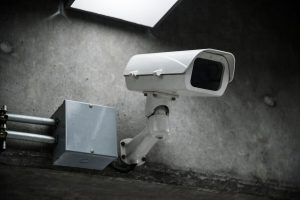
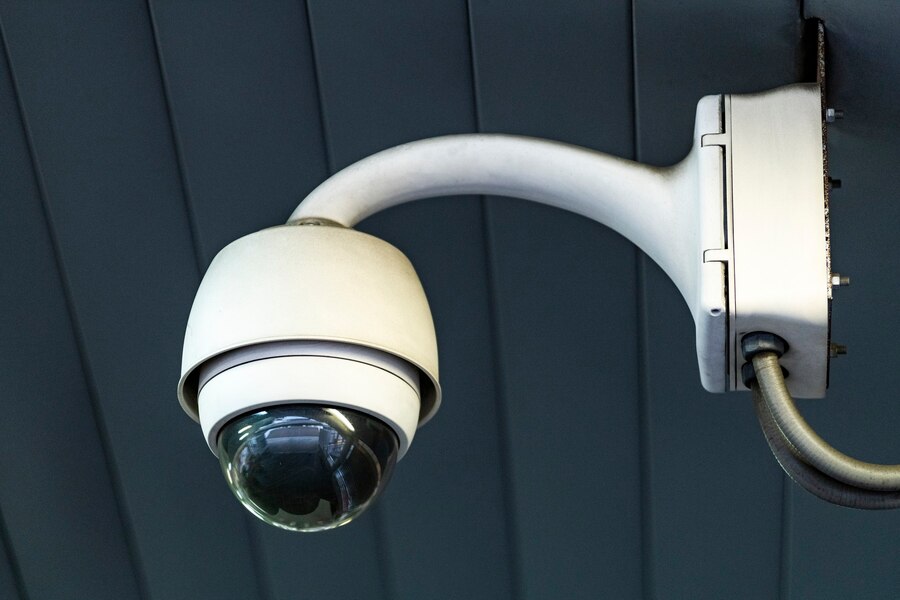
- Outdoor Cameras: Designed to withstand weather conditions. Ensure they have weatherproofing and durable construction.
- Wired vs. Wireless: Wired cameras provide a stable connection but require installation of cables. Wireless cameras offer flexibility in placement but rely on a strong Wi-Fi signal.
3. Key Features to Consider
When evaluating different security cameras, consider the following features:
- Resolution: Higher resolution cameras (1080p or 4K) offer clearer and more detailed footage.
- Night Vision: Infrared (IR) or low-light cameras are essential for recording in low-light conditions.
- Motion Detection: Look for cameras with motion detection capabilities to receive alerts and record only when movement is detected.
- Audio Capabilities: Two-way audio allows you to listen and speak through the camera, which can be useful for communication and deterrence.
4. Storage Options
Consider how you will store your recorded footage:
- Local Storage: Cameras with built-in storage or SD card slots offer a straightforward solution, but storage capacity may be limited.
- Cloud Storage: Many modern cameras offer cloud storage options for offsite storage. This can be more secure and provides access to footage from anywhere.
5. Installation and Setup
Proper installation is key to an effective security camera system:
- Placement: Position cameras to cover key areas without obstructions. For outdoor cameras, consider mounting them high to avoid tampering.
- Connectivity: Ensure that wireless cameras have a strong Wi-Fi signal or use wired connections for stable performance.
- Testing: After installation, test each camera to ensure proper coverage and functionality. Adjust angles as needed.
6. Maintenance and Monitoring
Regular maintenance ensures your security system remains effective:
- Firmware Updates: Keep your cameras’ firmware and software updated for security and performance improvements.
- Cleaning: Periodically clean camera lenses to maintain clear image quality.
- Monitoring: Regularly check footage and system alerts to stay informed about your home’s security status.
Conclusion
Choosing the right security camera system involves evaluating your needs, selecting the appropriate camera types and features, and ensuring proper installation and maintenance. By following these guidelines, you can enhance the security of your home and enjoy peace of mind knowing that you are well-protected.