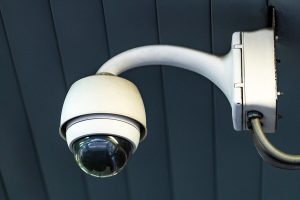
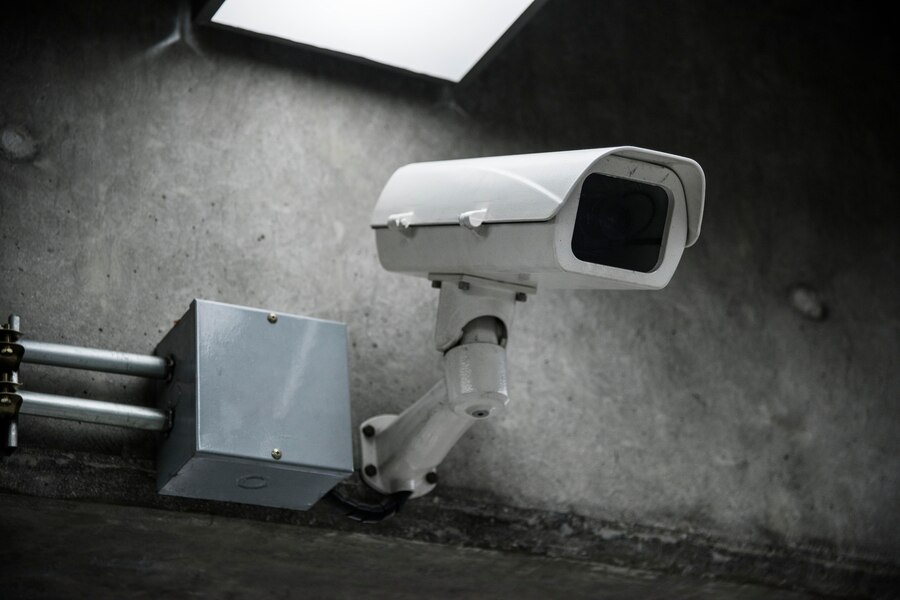
As technology continues to evolve, smart security cameras have become a popular choice for homeowners looking to enhance their security systems. These advanced devices offer a range of features that go beyond traditional surveillance cameras, providing greater convenience and functionality. This blog will explore the benefits of integrating smart security cameras into your home and how they can improve your overall security strategy.
1. Remote Access and Control
One of the primary advantages of smart security cameras is remote access:
- Mobile App Integration: Most smart security cameras come with mobile apps that allow you to view live footage, receive notifications, and control your cameras from anywhere. This feature provides added convenience and ensures you can monitor your property even when you’re away.
- Remote Adjustments: You can adjust camera settings, such as viewing angles and motion detection zones, directly from your smartphone or tablet.
2. Enhanced Image Quality
Smart security cameras often offer superior image quality compared to traditional models:
- High Definition (HD) and 4K Resolution: Many smart cameras support HD and 4K resolution, providing clearer and more detailed footage. This allows for better identification of faces, license plates, and other crucial details.
- Wide-Angle Lenses: Some smart cameras come with wide-angle lenses, allowing you to capture a larger area with a single camera.
3. Advanced Motion Detection
Smart security cameras feature advanced motion detection capabilities:
- Customizable Alerts: Set up alerts for specific types of motion or activity, such as when someone enters a particular area or crosses a virtual boundary.
- Person Detection: Many smart cameras can differentiate between people, animals, and objects, reducing false alarms and ensuring you only receive relevant notifications.
4. Integration with Smart Home Systems
Smart security cameras can seamlessly integrate with other smart home devices:
- Voice Control: Many cameras are compatible with voice assistants like Amazon Alexa or Google Assistant, allowing you to control them using voice commands.
- Automation: Integrate cameras with other smart devices, such as smart locks and lights, to create automated security routines. For example, you can set up your lights to turn on when motion is detected.
5. Cloud Storage and Backup
Smart security cameras often offer cloud storage options for recording and saving footage:
- Secure Offsite Storage: Cloud storage provides a secure backup for your recordings, protecting them from theft or damage to the camera itself.
- Access from Anywhere: Cloud storage allows you to access your footage from any device with an internet connection, providing greater flexibility and convenience.
6. Enhanced Night Vision
Many smart security cameras come with advanced night vision technology:
- Infrared LEDs: Smart cameras often use infrared LEDs to provide clear footage in low-light conditions, ensuring your property is monitored even during the night.
- Enhanced Low-Light Performance: Some cameras feature enhanced low-light sensors that improve image quality in dim environments.
7. Easy Installation and Setup
Smart security cameras are designed for user-friendly installation:
- Plug-and-Play: Many smart cameras offer simple plug-and-play setups with easy-to-follow instructions. Wireless models eliminate the need for extensive wiring.
- Self-Monitoring: Set up your camera system and monitor your property without the need for professional installation or monitoring services.
Conclusion
Integrating smart security cameras into your home provides numerous benefits, including remote access, enhanced image quality, advanced motion detection, and seamless integration with other smart home devices. By leveraging these advanced features, you can create a more effective and convenient security system that adapts to your needs and provides greater peace of mind.